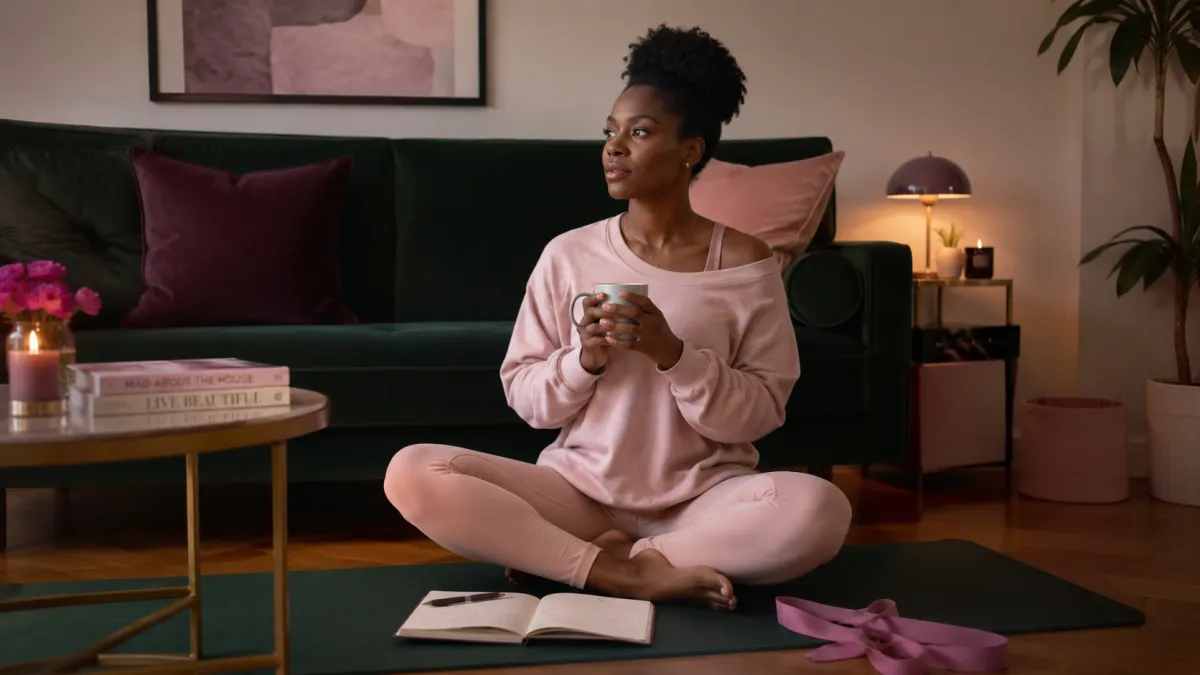
How to Calm Your Nervous System Without Escaping Your Life
Affiliate Disclosure
Some links in this article are affiliate links. If you choose to purchase through them, Homecoming Pilates may earn a small commission at no additional cost to you. We only recommend products that genuinely support rest, recovery, and intentional living.
Rest Isn't Something You Have to Earn
What Does It Mean to Regulate Your Nervous System?
Your nervous system is constantly responding to the world around you.
Every conversation, deadline, notification, and unexpected challenge influences how your body reacts. Sometimes those responses help you stay alert and focused. Other times, they leave you feeling overwhelmed long after the stressful moment has passed.
Nervous system regulation isn't about avoiding life's challenges. It's about helping your body move more easily between periods of activity and periods of rest.
Simple habits such as mindful movement, quality sleep, deep breathing, and creating a calming environment can all support this natural process.
In the next section, we'll explore practical ways to bring more regulation into your daily routine—without needing to completely change your lifestyle or escape from your responsibilities.
Small Rituals Create Lasting Change
When people think about calming the nervous system, they often imagine needing a week-long retreat or a complete break from everyday life.
While those experiences can be deeply restorative, your nervous system responds just as powerfully to the small choices you make every day.
The way you begin your morning, move your body, take breaks, and prepare for sleep all send signals to your brain about whether you're safe, supported, or under constant pressure.
The goal isn't to create a perfect routine.
It's to create one that's realistic enough to become part of your life.
Begin the Day More Gently
The first few minutes after waking often shape the pace of the entire day.
Instead of immediately reaching for your phone, consider giving yourself a few quiet moments before engaging with emails, social media, or notifications. Open a window, take several slow breaths, stretch your body, or simply enjoy your morning drink without distractions.
These small habits help reduce the feeling of urgency that many of us experience before the day has even begun.
Creating a slower morning doesn't require waking up hours earlier—it simply means becoming more intentional with the time you already have.
Use Movement as a Form of Regulation
Movement doesn't always have to leave you exhausted to be effective.
Gentle Pilates, stretching, walking, or mindful mobility exercises can help release physical tension that builds throughout the day while encouraging slower breathing and greater body awareness.
Rather than treating movement as another task on your to-do list, think of it as an opportunity to check in with yourself.
Ask how your body feels.
Notice where you're holding tension.
Move in ways that feel supportive rather than punishing.
At Homecoming Pilates, we believe movement should help you reconnect with your body—not disconnect from it.
Your Environment Shapes How You Feel
When we think about stress, we often focus on our schedules, responsibilities, or workload. While those certainly play a role, the spaces we spend time in also have a powerful effect on our nervous system.
A cluttered environment can make it difficult to relax, while a calm, thoughtfully arranged space encourages your body to slow down naturally. You don't need to redesign your entire home to create this feeling. A few intentional changes can make your everyday environment feel more supportive and restorative.
Start by asking yourself a simple question:
Does this space help me feel calm, or does it add to my mental load?
Small adjustments can often make the biggest difference.
Create an Evening Routine That Signals Rest
Many people expect themselves to fall asleep immediately after spending hours looking at screens, answering messages, or working late into the evening.
Your nervous system doesn't switch off instantly.
Creating a simple bedtime ritual helps your body recognize that it's time to transition from activity to rest.
This could include:
Dimming the lights an hour before bed
Reading a few pages of a book
Practicing gentle Pilates stretches
Drinking a warm herbal tea
Taking slow, intentional breaths
Putting your phone away before sleeping
You don't need to do everything. Choose one or two habits that feel realistic and repeat them consistently.
Over time, these rituals become signals that encourage deeper relaxation and better recovery.
Consistency Matters More Than Perfection
There will always be busy seasons, unexpected challenges, and days when your routine doesn't go as planned.
That's completely normal.
Supporting your nervous system isn't about achieving a perfect morning routine or following every wellness trend. It's about returning to simple practices whenever you can.
A few minutes of mindful movement.
A slower cup of coffee.
A quiet walk.
An evening without constant notifications.
These small moments may not seem significant on their own, but together they build a lifestyle that feels calmer, more balanced, and more sustainable.
The goal isn't to escape your life.
It's to create a life that your nervous system feels safe living in.
You Don't Have to Wait for Life to Slow Down
Many of us believe we'll finally feel rested once work becomes less demanding, our schedules become lighter, or we finally take that long-awaited vacation.
But true rest isn't something we find later—it's something we practice today.
Every time you choose to pause before reacting, take a mindful walk, move your body with intention, or create a peaceful evening routine, you're teaching your nervous system that it doesn't have to remain in a constant state of stress.
These moments may seem small, but over time they become the foundation of a calmer, healthier, and more balanced life.
As Homecoming Pilates continues to grow, we'll keep updating this guide with thoughtfully selected wellness products and resources that genuinely support rest, recovery, and intentional living. Every recommendation is chosen to complement your routine—not complicate it.